The Land
A Living Landscape of Conservation, Stewardship, and Possibility
This property is more than acreage. It is a layered landscape of wetlands, meadows, forest edges, and working fields—each part contributing to a larger vision for thoughtful land stewardship.
What the Land Offers
The land unfolds in distinct ecological and functional zones, each with its own character and role. Some areas are shaped by conservation and habitat value, while others suggest opportunities for agriculture, learning, and thoughtful stewardship.
The Farmland
Fertile Soil Ready for a Farmer’s Vision
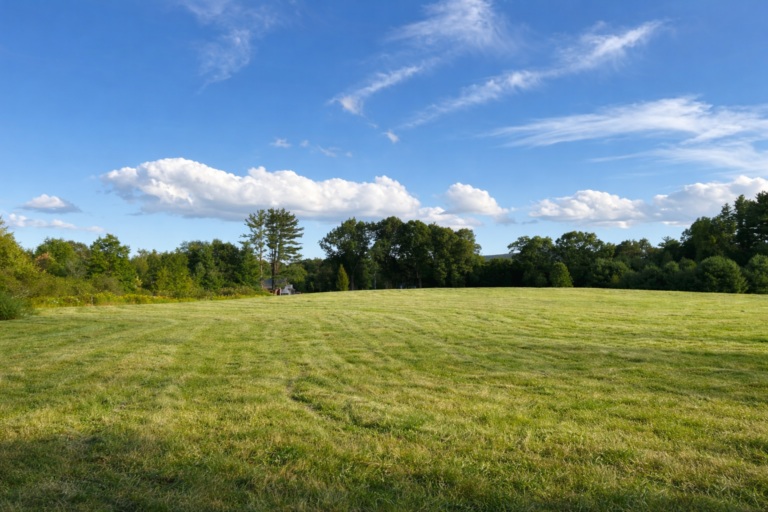
The open fields offer nutrient-rich soil and the promise of productive agricultural use. With its gentle terrain and healthy ground, the farmland is well-suited for a wide range of crops that could support both local markets and sustainable farming practices.
Whether planted with specialty crops, vegetables, or other high-value agriculture, these fields represent an opportunity for a farmer to bring vision and innovation to the land. The potential lies not only in what can be grown here, but in how thoughtful cultivation can work alongside conservation to create a thriving, working landscape.
The Forest
Restoring Woodland Health and Creating Habitat
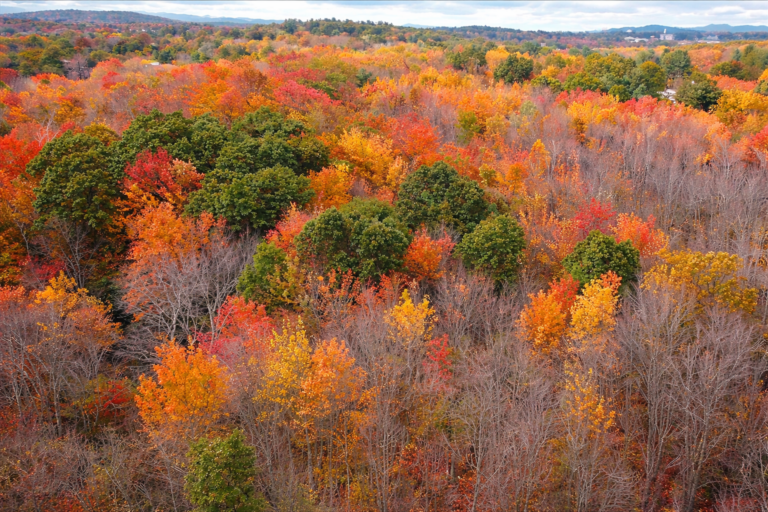
The forested portions of the land are actively stewarded to strengthen the long-term health of the woodland ecosystem. Selective removal of dying, overcrowded, or invasive trees allows sunlight to reach the forest floor, creating space for young native trees and plants to regenerate. Over time, this careful management helps restore a more balanced and resilient forest.
This work also creates valuable habitat for wildlife. Brush piles and standing dead trees provide shelter and nesting opportunities for migratory birds, small mammals, and insects that rely on diverse woodland environments. By encouraging natural regeneration and improving forest structure, the woodland becomes a thriving habitat while continuing to renew itself for generations to come.
Wetlands
A Living Habitat for Beaver, Wood Turtle, and Amphibians
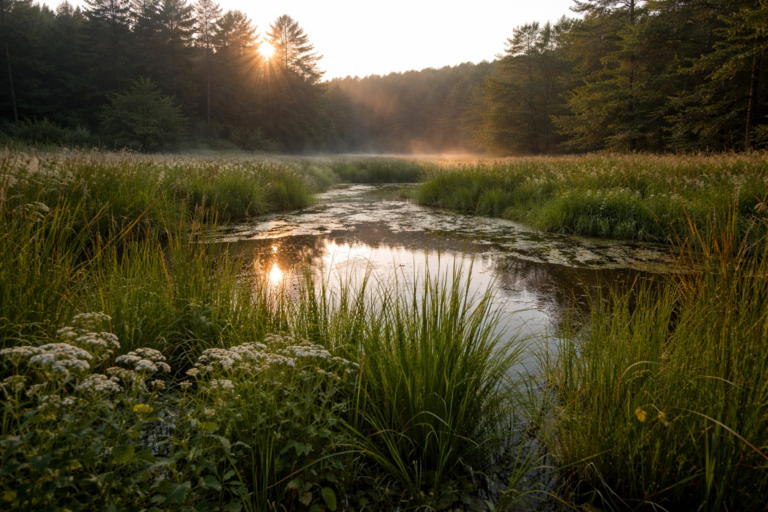
The wetlands are among the most ecologically vibrant areas of the landscape, providing essential habitat for a wide variety of wildlife. Beaver activity helps shape this environment by creating ponds and waterways that naturally expand the wetland ecosystem, slowing water flow and supporting a rich diversity of plants and animals.
These protected waters also support species such as the wood turtle, along with amphibians like salamanders and frogs that depend on seasonal wetlands and vernal pools to reproduce. In the spring, these quiet areas become active corridors of movement as amphibians return to the water to breed. Protecting the wetlands helps sustain these delicate ecosystems while preserving the natural rhythms that make this landscape so unique.
Conservation
Protecting the Ecosystem and Restoring Native Habitat
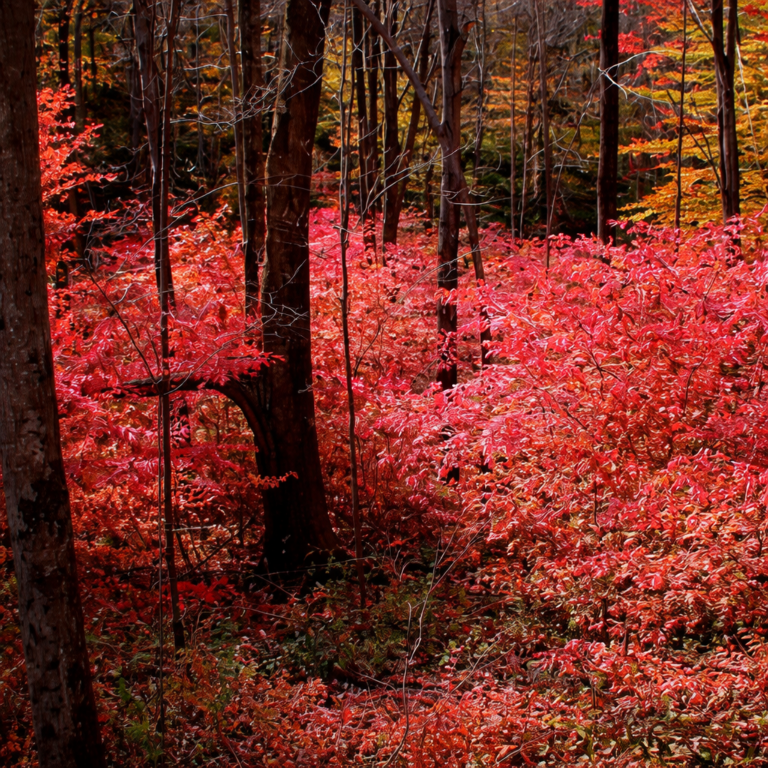
Stewardship of the land begins with protecting the delicate ecosystems that support wildlife, soil health, and biodiversity. Conservation efforts focus on restoring balance by removing invasive plant species that crowd out native vegetation and disrupt natural habitats. As these invasive plants are cleared, native grasses, shrubs, and forest plants are given the space they need to return and thrive.
These restoration efforts strengthen the entire ecosystem, creating healthier habitat for small mammals, birds, pollinators, and countless other species that depend on diverse plant communities. By carefully managing the land and encouraging native growth, the property becomes a place where conservation and natural resilience work together to support a thriving landscape for generations to come.
See if you're right for the land
“Good farmers, who take seriously their duties as stewards of Creation and of their land's inheritors, contribute to the welfare of society in more ways than society usually acknowledges, or even knows. These farmers produce valuable goods, of course; but they also conserve soil, they conserve water, they conserve wildlife, they conserve open space, they conserve scenery.”
-Wendell Berry